Cooking gas in 15 min
Chama is a tech startup focused on delivery logistics. Its mission is to provide Brazilian consumers with a convenient alternative for ordering their cooking gas. This project focused on optimizing the logistics platforms used by both resellers and drivers.
Chama Gas
App Design, Design System
Objective
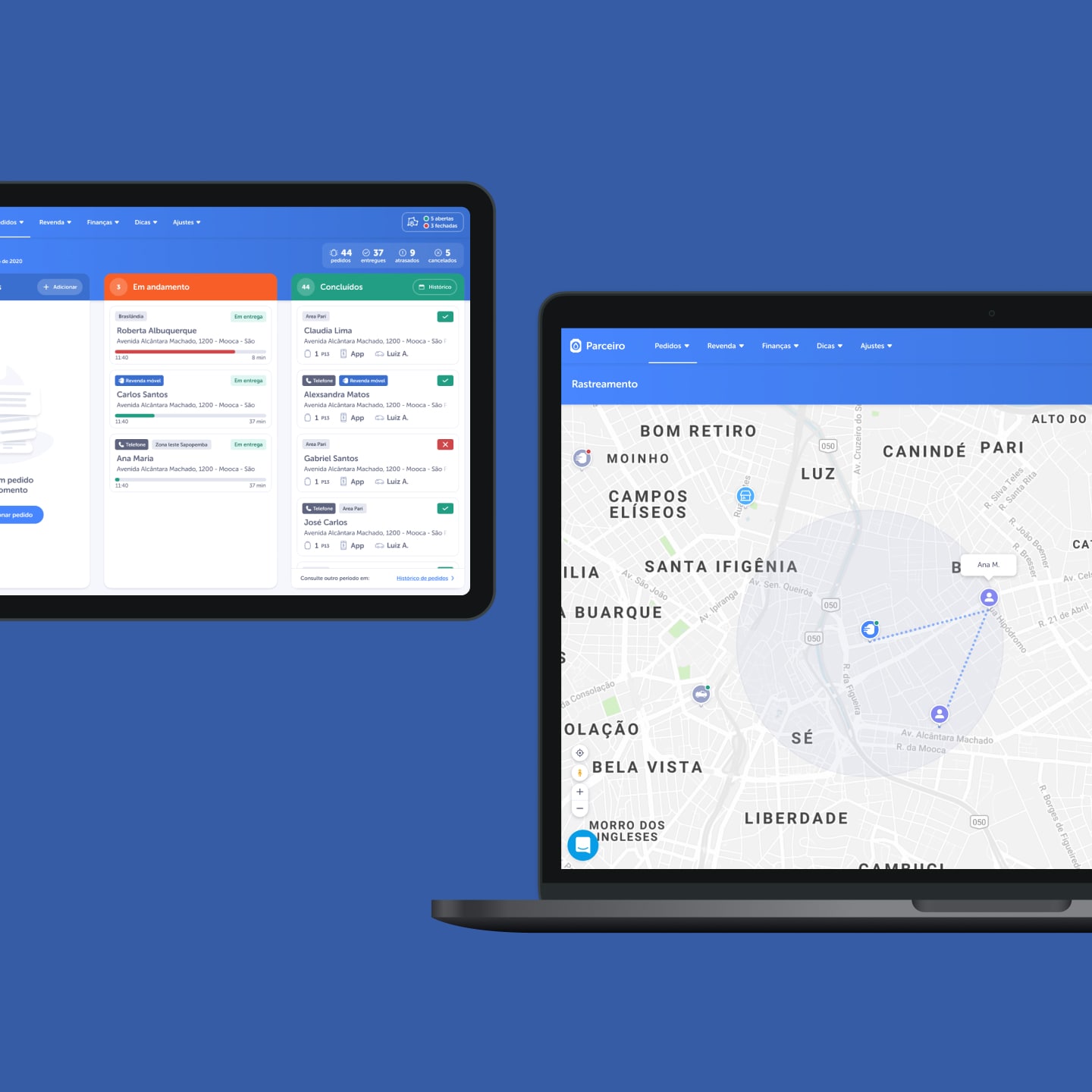
After a period of growth and close user contact, Chama identified the need to evolve its operational tools. The "Partner Portal," a B2B tool for resellers, was a proof-of-concept that grew organically and had significant usability issues, including:
Accessibility Issues: Poor visual contrast.
Lack of Responsiveness: Did not work well on mobile devices or different desktop resolutions.
UX Inconsistencies and a steep learning curve.
Technical Legacy: High complexity in implementing new features.
The objective was to redesign the Partner Portal and the driver app to dramatically improve the user experience and logistical efficiency.
Process
The process was highly collaborative, involving the Data, Strategy, Product, and Research teams. Key steps included:
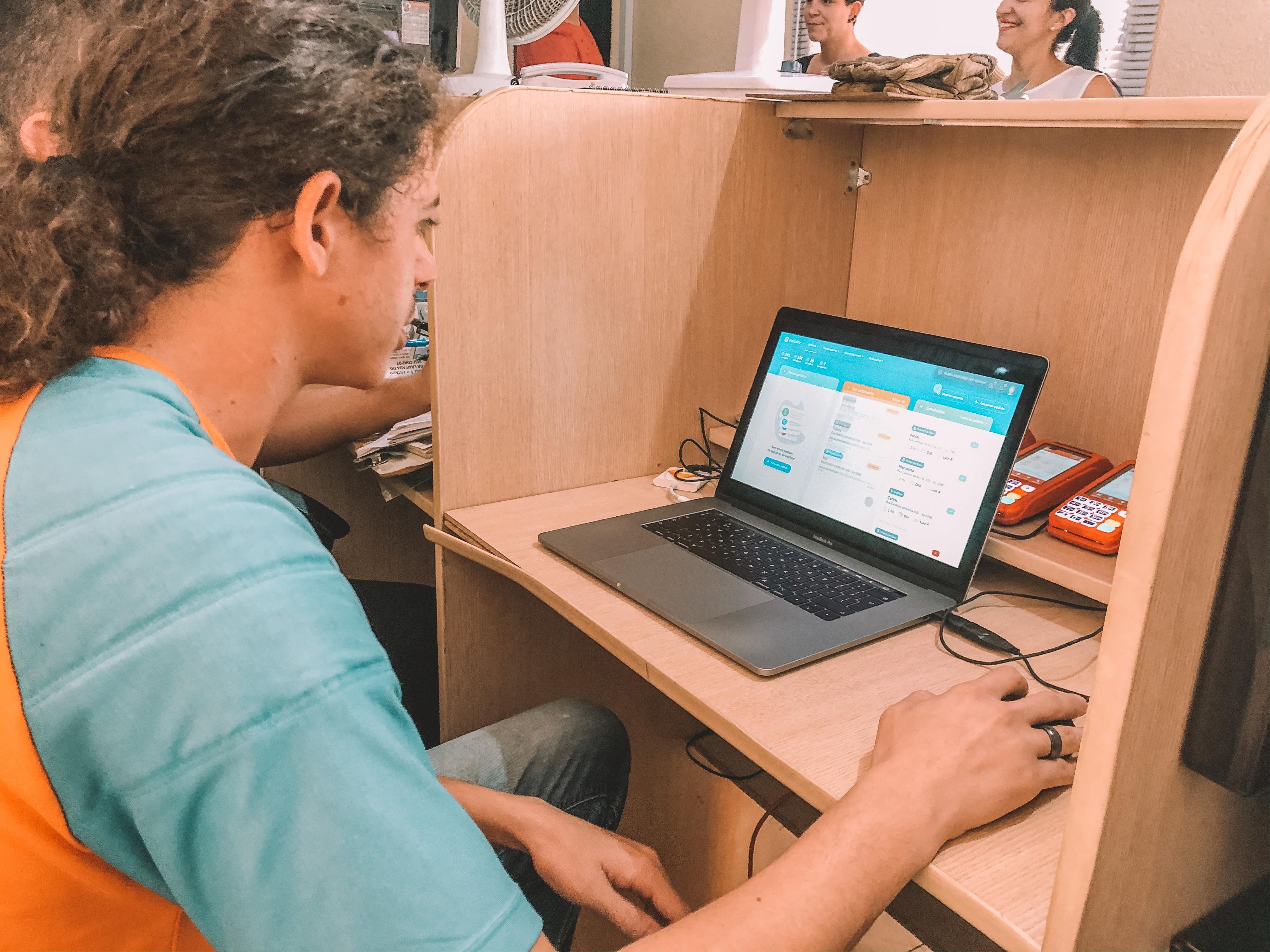
Discovery and Research: Identifying blockers in the clients' daily routines. Remote usability tests and user interviews were conducted to validate the proposed solutions.
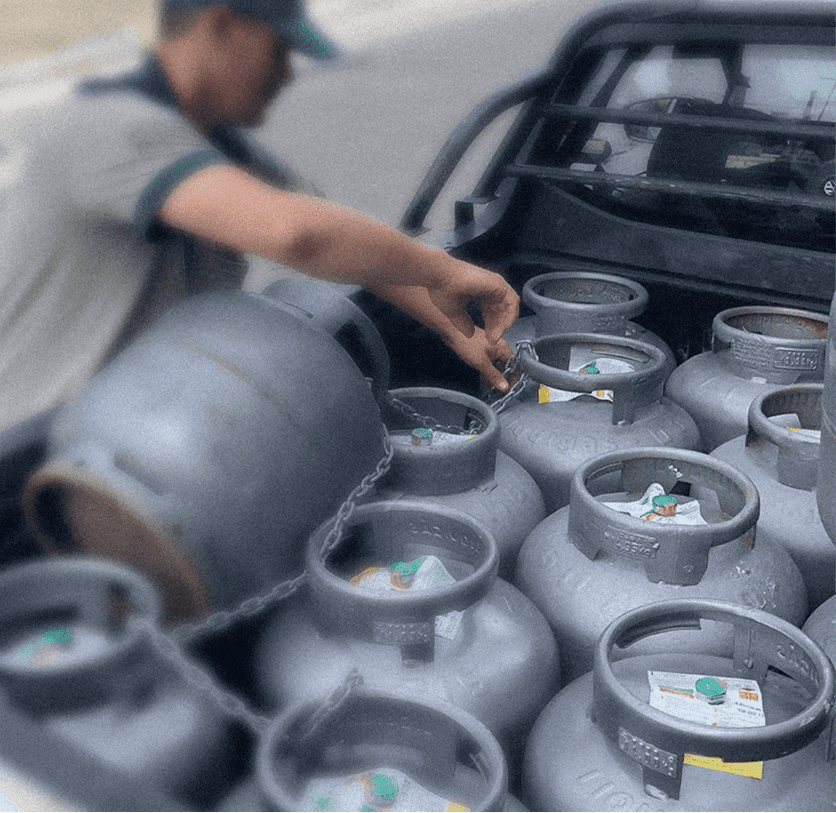
Field Research: Shadowing real deliveries with drivers to analyze the use of the prototype and beta app, collecting direct feedback for improvements.
Design System: Mapping all platform inconsistencies to create a cohesive Design System.
Handoff and Collaboration: Creating detailed documentation and pair programming with developers to ensure implementation fidelity.
Solution
The project delivered a complete redesign of the operational tools:
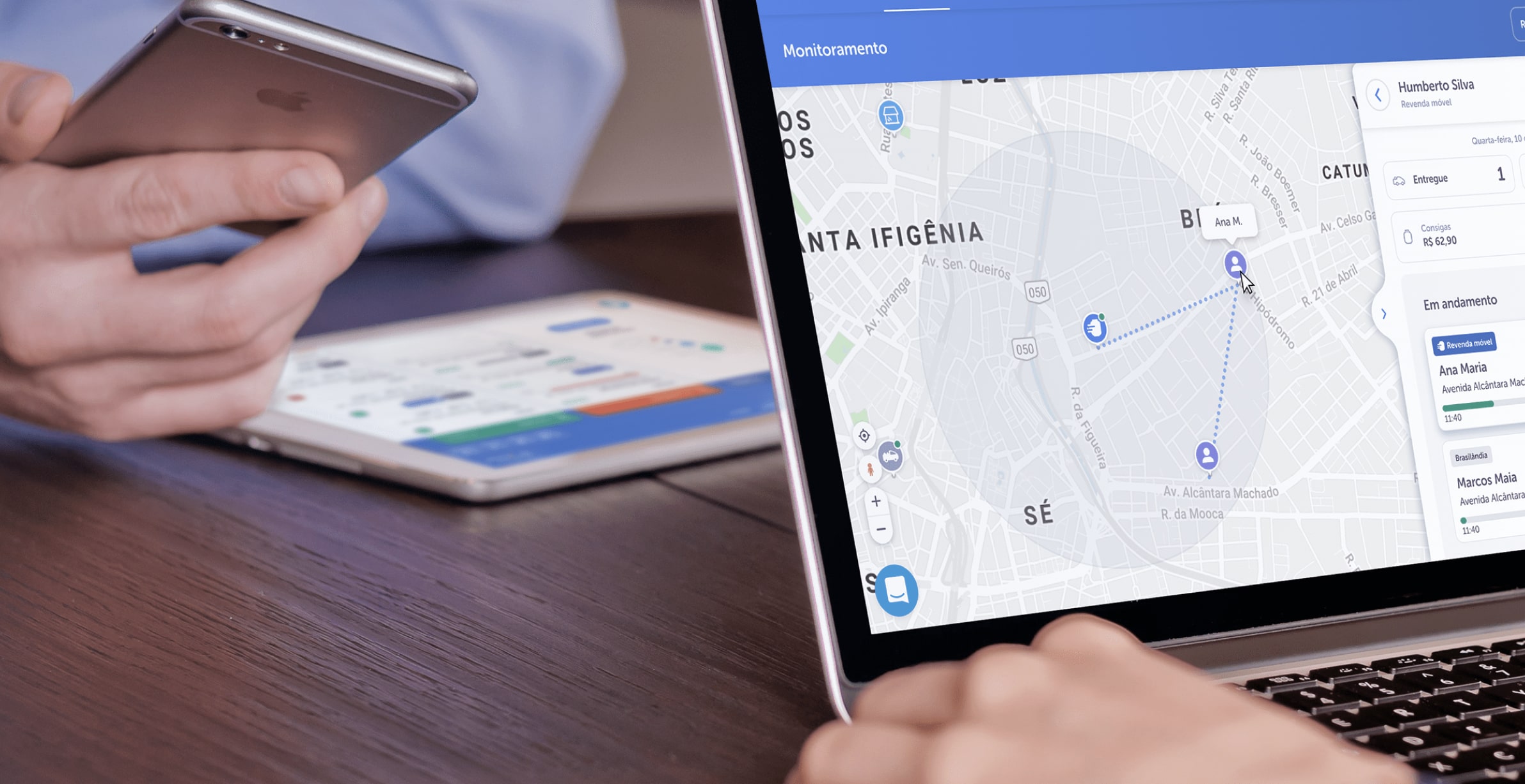
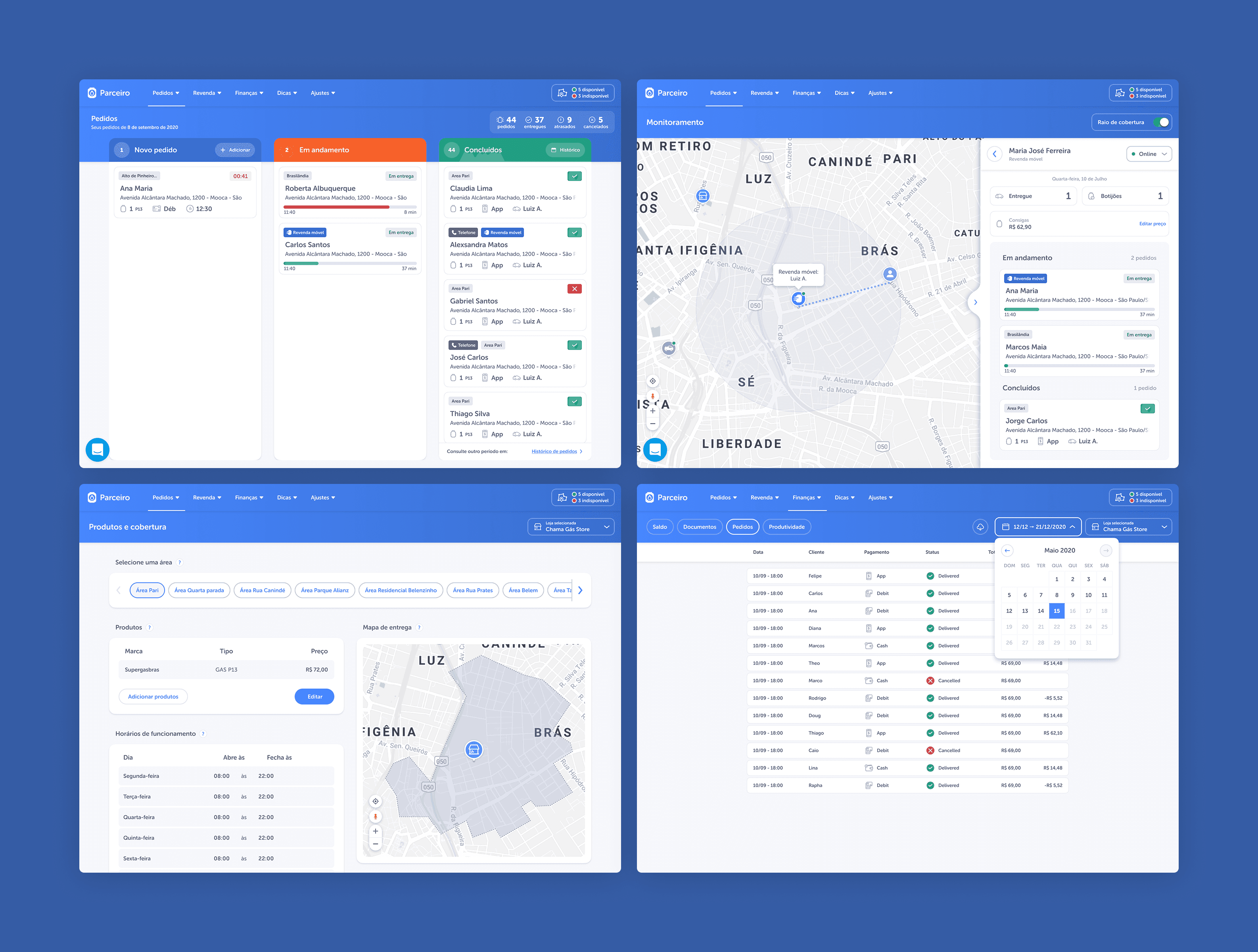
Partner Portal: The platform was redesigned to be fully responsive, with a new navigation bar and new features. The portal allows resellers to manage their stores, set prices, control incoming orders, and dispatch them for delivery.
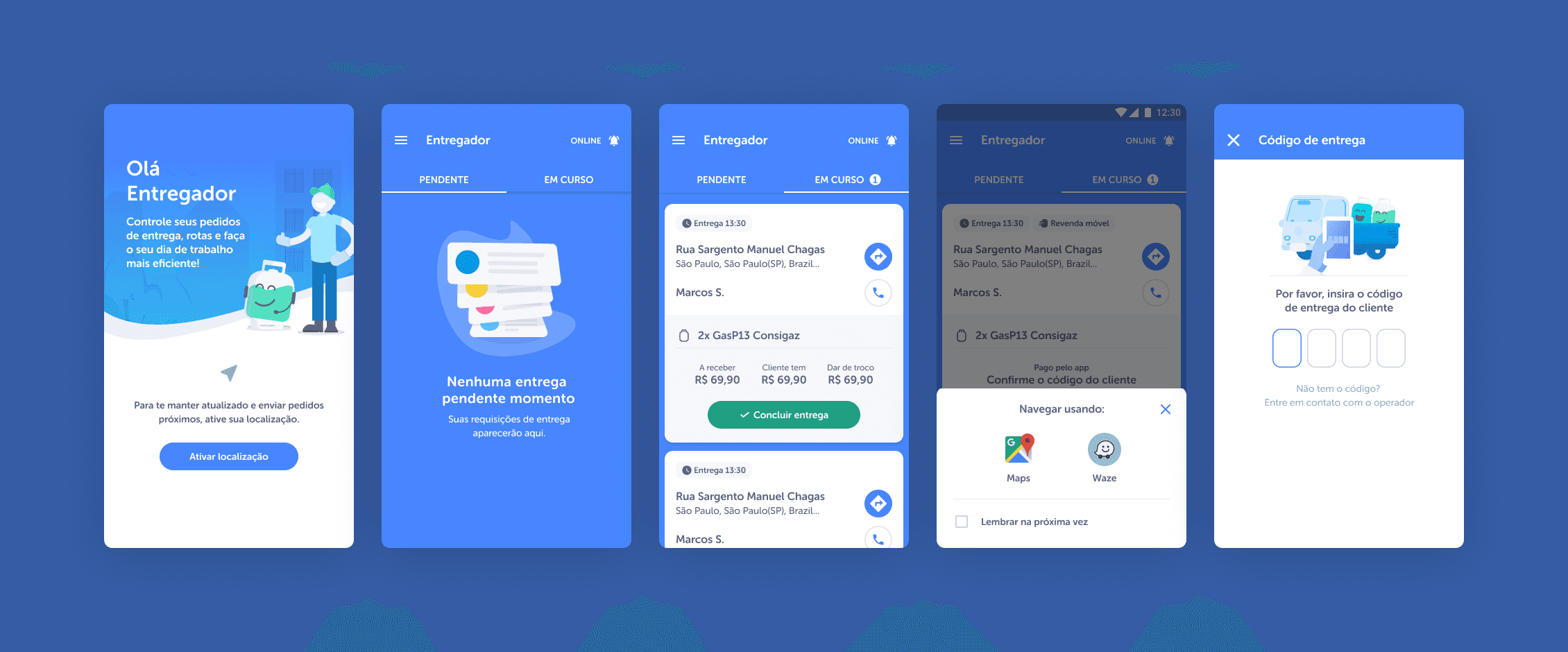
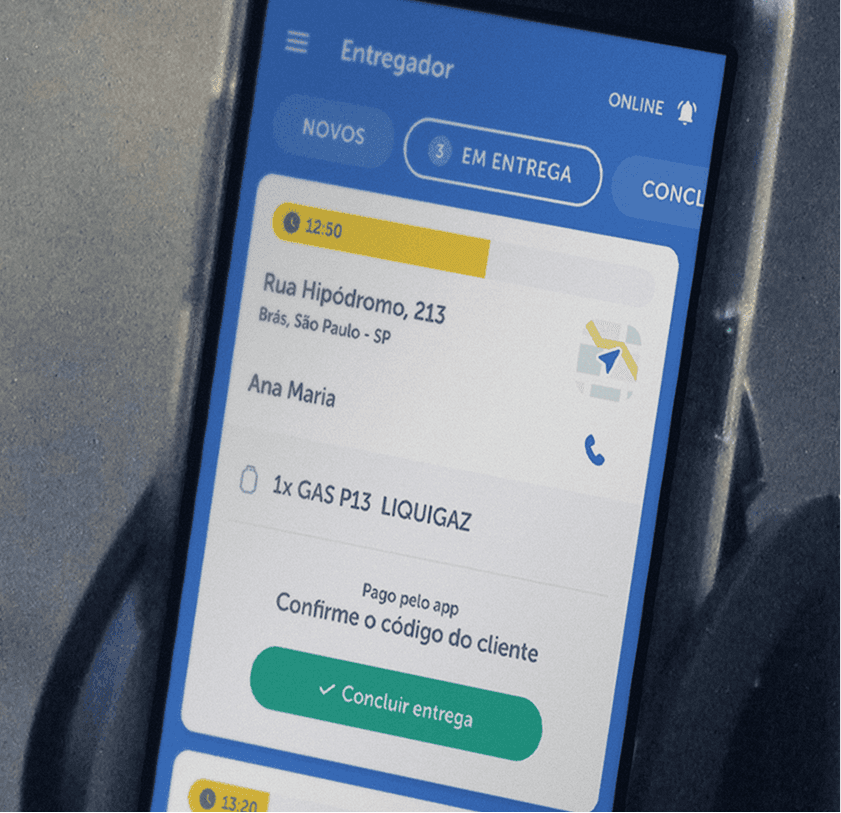
Driver App: The UI and user flows were reviewed and updated for a smoother, more intuitive delivery experience.
Design System: An extensive library of reusable, interconnected components was created, including icons, illustrations, and style guides, to organize design files, speed up future development, and improve collaboration with engineering.
Key takeaways
The operational tools were reshaped, establishing a solid foundation for new features and continuous improvements to the logistics process. The main results achieved (from October 2019 to October 2020) were:
Adoption: An increased percentage of tracked deliveries using the new tools.
Efficiency: Reduced average delivery time from 45 minutes to 32 minutes.
Product Quality: Creation of a Design System, improved accessibility, removal of inconsistencies, and addition of new functionalities like a tracking system and training materials.